Commercial Refrigeration for Professional Kitchens
Commercial refrigeration is a core part of how a professional kitchen functions. Whether you operate a restaurant, hotel kitchen or catering facility, the equipment needs to keep up with long services, high ambient temperatures and the daily wear that domestic units are not designed to handle. This page brings together the range of commercial refrigeration available from King's Catering, including chest freezers, upright units and specialist storage equipment designed for professional kitchens.
What to Look for in Commercial Refrigeration Equipment
Domestic refrigeration and commercial refrigeration are designed for different environments. A unit built for home use may not be suitable for the extended operating hours, frequent door openings and demanding conditions of a busy professional kitchen. Commercial units are designed for heavier use, with robust construction, reliable cooling and storage capacities suited to larger quantities of stock.
When choosing equipment, consider capacity, cooling system, build quality, energy efficiency and operating temperature range. Static cooling can be suitable for certain frozen-storage applications, while fan-assisted systems can help distribute cold air more evenly and recover temperatures after frequent door openings. Running costs are also worth considering, as refrigeration equipment operates for long periods and can have a significant impact on energy consumption.
Chest Freezers and Upright Models
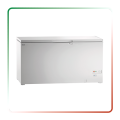
Chest freezers are a practical choice for back-of-house storage where capacity is a priority. Because cold air tends to remain inside a chest freezer when the lid is opened, these units can help limit the loss of cold air during access. They can be particularly useful in prep rooms and storage areas where floor space is available, and quick access to individual items is less important.
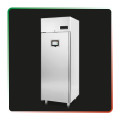
Upright units can be a better option where accessibility and organisation are priorities. Their vertical design makes good use of floor space, while shelves and compartments can make it easier for staff to organise and locate stock during service.
King's Catering offers both formats in a range of capacities to suit different kitchen sizes, storage requirements and workflows.
Built for Professional Kitchens
Commercial refrigeration equipment needs to withstand the demands of a busy professional environment. The units available from King's Catering are intended for commercial applications and are designed with regular use in mind.
Depending on the model, features can include temperature controls, lockable doors or lids, removable baskets and adjustable shelving to help keep stored items organised. When choosing a unit, it is important to consider the available space, expected usage and the type and volume of food being stored.
If you are unsure which option is suitable for your kitchen, the King's Catering team can help you compare the available equipment and identify a suitable solution.
FAQs
1. What types of commercial refrigeration equipment are available?
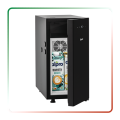
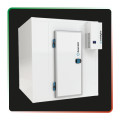
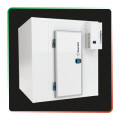
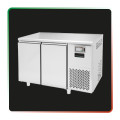
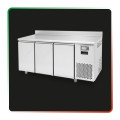
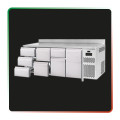
King's Catering offers a range of refrigeration equipment for professional use. Depending on your requirements, this can include cold rooms, freezer rooms, refrigerated prep counters, blast chillers, chest freezers, ice makers, milk refrigerators and pastry counters.
2. How do I choose the right size unit?
Consider how much stock you need to store, how frequently it is accessed, the available floor space and whether the unit can be moved through your kitchen's access points. If you use Gastronorm pans, choosing compatible refrigeration equipment can also make storage and food preparation more straightforward.
3. What is the difference between static and fan-assisted cooling?
Static cooling relies on natural air circulation within the cabinet and can be suitable for certain products and storage applications. Fan-assisted systems circulate cold air more actively, helping to maintain a more consistent temperature throughout the cabinet and recover temperatures after frequent door openings. The most suitable system depends on the type of food being stored and the intended use of the unit.
4. What is the difference between a cold room and a reach-in refrigerator?
The main difference is size and storage capacity. Cold rooms provide substantially more storage space and can be configured with shelving to suit larger quantities of stock. Reach-in refrigerators are generally better suited to day-to-day service, giving staff convenient access to ingredients and prepared food close to preparation areas.
5. Do you supply modular cold rooms and freezer rooms?
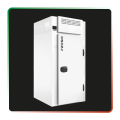
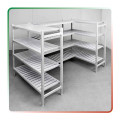
Yes. The range includes modular cold rooms and freezer rooms, along with shelving systems designed to make effective use of the available storage space. These solutions can suit a variety of commercial settings, including restaurants, hotels, butchers and food production facilities.
6. Why does a commercial kitchen need a blast chiller?
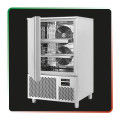
Blast chillers rapidly reduce the temperature of cooked food, helping businesses manage food safely and efficiently when preparing food in advance. Rapid chilling can help limit the time food spends in temperatures that allow bacteria to multiply. It can also help preserve the texture, moisture and quality of food more effectively than slower cooling methods.
Always follow the manufacturer's instructions and applicable food-safety requirements when using a blast chiller.
7. How do pastry counters differ from standard prep counters?
Pastry counters are designed with the needs of baking and pastry preparation in mind. Depending on the model, they can provide refrigerated storage for ingredients and products while offering a work surface suitable for preparation. The right temperature and storage conditions depend on the products being stored, so it is important to select equipment designed for your particular requirements.
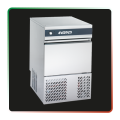
8. What capacity ice maker does a business need?
There is no single capacity that suits every business. Requirements depend on factors such as customer numbers, the type of drinks or food being served, and how much ice is used during a typical service. Consider both the machine's daily production capacity and its storage-bin capacity when comparing ice makers.
9. How often should refrigeration units be serviced?
The recommended maintenance schedule depends on the equipment, operating environment and manufacturer's guidance. Condenser coils should be kept clean because dust and debris can restrict airflow and make the refrigeration system work harder. Regular cleaning and professional servicing can help maintain performance and identify potential issues before they lead to equipment failure.
For the appropriate servicing interval, follow the manufacturer's recommendations and any applicable maintenance requirements.
10. What temperatures should commercial refrigerators and freezers be set to?
The correct temperature depends on the type of equipment, the food being stored and the applicable food-safety requirements. As a general industry benchmark, chilled food is commonly stored at 5°C or below, while frozen food is generally maintained at -18°C or below. Businesses should use suitable temperature monitoring equipment and follow the relevant food-safety guidance for their operation.