Blast Chiller for Sale for Cook-Chill Operations in Professional Kitchens
Bringing hot food down to a safe storage temperature quickly is one of the most time-critical steps in any professional kitchen. When operators look for a blast chiller for sale, the questions are usually practical rather than technical. How many trays does it need to hold? How fast does it chill? Does it fit the workflow? These are the things that need to be established before any purchase is made. Blast chillers for sale are worth looking at, as they protect food quality, support compliance, and keep prep moving without interruption.
Blast chillers are common across restaurants, hotel kitchens, catering operations, and food production facilities because they do one job well. They drive cooked food from +90°C to +3°C rapidly, moving product safely through the temperature danger zone and extending shelf life without affecting texture or quality. With a purpose-built refrigeration system working at full capacity, temperature is brought down in a controlled and consistent way. That matters during prep and post-service cool-down, when safe chilling cannot be left to ambient conditions. For many operations, this is why a dedicated blast chiller for sale is considered essential rather than optional.
Tray capacity is where the decision usually starts. A 5-tray unit suits kitchens with moderate prep volumes. Moving to 10 or 15 trays increases throughput significantly, allowing larger batches to be chilled in a single cycle. Matching tray count to the kitchen's actual output, rather than selecting a unit that is either undersized or unnecessarily large, is what determines whether a blast chiller for for meal prep delivers genuine day-to-day value.
Choosing a Blast Chiller for Sale Built for Professional Use
A blast chiller for commercial use cases is expected to cope with more than a domestic or light-duty unit ever would. It runs through prep sessions and post-service cool-downs, often in warm kitchen environments, and is expected to deliver the same chilling performance cycle after cycle. Because of this, refrigerant specification and condenser type become just as important as tray capacity when reviewing a blast chiller for sale.
All units in the range use R452a refrigerant, a low global-warming-potential option that meets current environmental standards without compromising chilling performance. Condenser options including air-cooled, water-cooled (H2O), and hot gas defrost allow the unit to be matched to the kitchen's existing infrastructure and ambient conditions. For sites operating in warmer environments, a climate class 5 rating (+40°C / 40% R.H.) ensures the unit continues to perform where a lower-rated cabinet would struggle.
The Standard and Gold tier configurations are also part of the decision. Both accept GN 1/1 and EN 600×400 grids, integrating cleanly with existing gastronorm equipment. Gold tier models offer enhanced specification for operations demanding greater cycle consistency and more precise temperature management under sustained use. These details often make the difference between a commercial blast chiller that holds up under daily pressure and one that begins causing problems after a few months of regular use.
Selecting a Blast Chiller for Sale That Fits How You Work
Not every blast chiller for sale suits every kitchen. Before choosing from the available range, it helps to consider how the unit will fit into the kitchen's actual workflow, which products are being chilled, in what volumes, and how frequently. Blast chillers tend to suit back-of-house and prep areas where rapid temperature reduction is more important than footprint.
Condenser selection also affects placement. Air-cooled units require proper ventilation around the cabinet. Water-cooled and hot gas models offer more flexibility in cramped quarters where airflow is restricted. Getting this detail right at the specification stage avoids installation issues and ensures the unit performs to its rated capacity from the outset.
Buying from a specialist supplier such as Kings Catering helps ensure that the blast chiller equipment is suited to professional use. A well-chosen unit protects food safety, extends product shelf life, and fits the way a working kitchen actually operates. When comparing a blast chiller for sale, refrigerant specification, condenser type, tray capacity, and tier rating usually matter more than headline price.
Kings Catering Blast Chillers for Sale — Freezerline Range
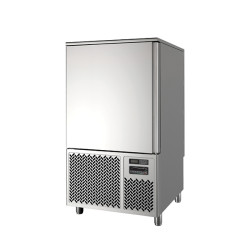
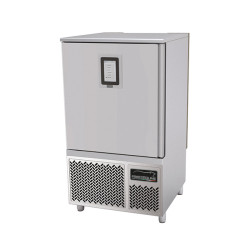
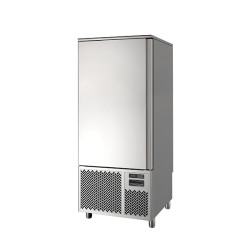
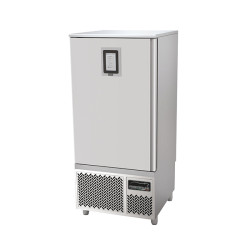
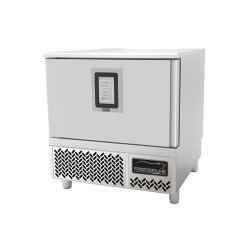
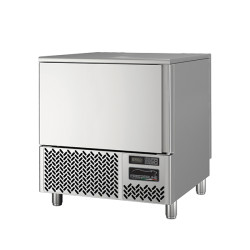
The products on this page are Freezerline blast chillers, selected by Kings Catering for professional kitchen and catering operations. They are purpose-built units for rapid food chilling and are not light-duty or domestic equivalents. They are typically used in prep areas, production kitchens and back of house environments where food safety compliance and reliable chilling performance is the priority.
All models use R452a refrigerant and are available with air-cooled, water-cooled (H2O), or hot gas condenser options. The range covers Standard and Gold tier cabinets in 5, 10, and 15-tray configurations, accepting GN 1/1 and EN 600×400 grids to integrate with existing gastronorm equipment. Climate class ratings of 4 and 5 are available across the range depending on configuration.
Kings Catering offer blast chillers, perfect for commercial settings where food safety standards, consistent chilling and reliable day to day operation are critical. For guidance on selecting the right blast chiller for sale for your kitchen, contact Kings Catering directly.
Frequently Asked Questions
What is a blast chiller and how does it work?
A blast chiller works by circulating cold air at high velocity around the product, which rapidly lowers the temperature of cooked food. It will take food that is at +90°C down to +3°C within 90 minutes, safely moving it through the temperature danger zone where bacteria grow at the fastest rate.
What is the difference between a blast chiller and a blast freezer?
A blast chiller reduces food temperature to +3°C for refrigerated storage, preserving texture and quality. A blast freezer takes food down to -18°C or below for long-term frozen storage. Some units combine both functions in a single cabinet.
What size blast chiller do I need for my kitchen?
Size is determined by the volume of food being chilled per cycle. A 5-tray unit suits smaller operations with moderate prep output. A 10 or 15-tray unit is better suited to high-volume kitchens, production facilities, or banqueting operations where larger batches need to be chilled quickly between service periods.
What is the difference between Standard and Gold tier blast chillers?
Standard tier units deliver reliable, consistent chilling performance for everyday professional use. Gold tier models offer enhanced specification including more precise temperature management and greater cycle consistency, suited to operations with higher throughput or more demanding food safety requirements.
What does R452a refrigerant mean and why does it matter?
R452a is a hydrofluorocarbon refrigerant with a lower global warming potential than older alternatives such as R404a. It meets current environmental regulations while maintaining the chilling performance required in commercial kitchen environments.
What is the difference between air-cooled, water-cooled, and hot gas blast chillers?
Air-cooled units blow heat off into the environment, and there must be enough ventilation around the cabinet. Water-Cooled Units These use a water supply to remove heat, and work well in small spaces with limited air flow. Hot Gas Defrost Models These use refrigerant gas to remove ice build up from the evaporator, shortening defrost cycle time and increasing efficiency in high-use environments.
What does climate class 5 mean on a blast chiller?
Climate class 5 means the unit is rated to operate at ambient temperatures up to +40°C at 40% relative humidity. This allows the unit to be used in warmer kitchen environments where a lower rated unit would lose its chilling efficiency or not meet the food safety temperature targets.
Can a blast chiller be used with standard gastronorm trays?
Yes. The Kings Catering Freezerline range is compatible with GN 1/1 and EN 600×400 grids, standard gastronorm formats used in professional kitchen equipment. This means the blast chiller can be used directly with existing trays, pans and trolleys already in use.
Is a blast chiller a legal requirement for commercial kitchens?
Food safety regulations require that cooked food intended for chilled storage is cooled as quickly as possible. While a blast chiller is not always explicitly named in legislation, it is the most reliable and auditable method of meeting cooling time and temperature requirements under HACCP guidelines.
How long does a blast chiller take to chill food?
A commercial blast chiller will be used to cool food from +90°C to +3°C in 90 minutes in accordance with food safety guidelines. The cycle time is dependent on volume of food being chilled, density of the food and the tray configuration used.